


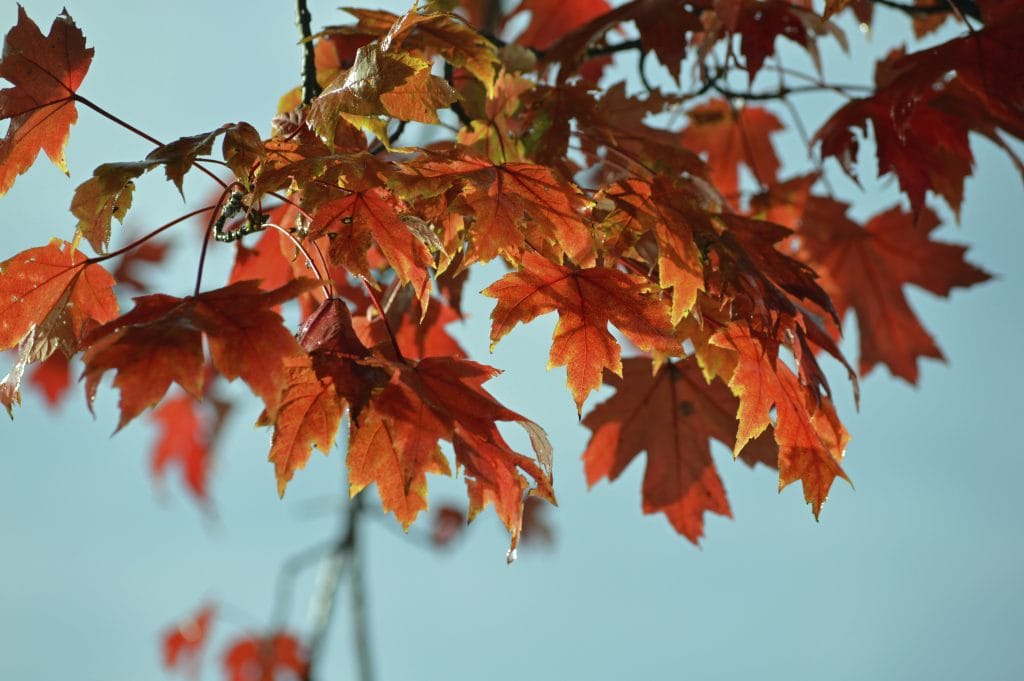
While our indication of the season is colder days and scientific tilts of the Earth’s axis, animals must go off their instincts to determine when they need to make changes to their lifestyle.
It’s officially autumn! Soon, the heat of summer days will begin to fade and leaves will change color before falling from the trees. Most of us recognize this change in season through holidays like Halloween, or the return of the school year. And while our indication of the season is colder days and scientific tilts of the Earth’s axis, animals must go off their instincts to determine when they need to make changes to their lifestyle. Which animals make changes? And what changes are they making? Read on to find out how autumn affects the animals in our surrounding environment.
A Living Earth
You may welcome the colder weather, knowing that insects will be less abundant. There’s a common misconception that all insects and invertebrates die off during autumn and winter, but that’s not the case. Most invertebrates bury themselves in the ground or under leaves where they can live free of the ice, and where they can find plenty of nutrients to survive off of. A lot of these invertebrates will hibernate. But some of them will survive through the winter and crawl around in the open–albeit very sluggishly.
Deep Sleep
A surprising amount of animals hibernate during the winter. Bears are a commonly known hibernating animal. But did you know that bats also hibernate? Most mammals also hibernate, as they can’t keep their body temperature regulated otherwise. Frogs and insects hibernate, as well as hedgehogs. Of course, every animal is different. You will most certainly see less of every variety, though, unless they’re moving across a white expanse of snow.
Change in Climates
Climate change is a huge factor when it comes to season change. Because our planet is marginally warmer, it makes it more difficult for animals to use their intuition and instinct to determine when they need to prepare for winter. This can cause entire species to die out! Some fish will migrate further to escape the cold, and this can destroy entire ecosystems that rely on that fish for the success of their food chain. Protecting the environment is essential for these animals as autumn arrives.
How to Spot Autumn Wildlife
How to Spot Autumn Wildlife
Autumn is one of the best times to observe animals as they prepare for the colder months ahead. Whether you’re walking through a park, hiking in the woods, or simply watching your backyard, there are plenty of signs that wildlife is busy adapting to the season.
Backyard Visitors
Many animals make appearances close to home in autumn. Squirrels and chipmunks can be seen gathering acorns, walnuts, and seeds, storing them in hidden caches for winter. Birds such as sparrows, starlings, and finches may stop at feeders more frequently, filling up before migrating or enduring the colder months.
If you keep an eye on trees and shrubs, you may even spot insects searching for shelter in bark crevices or leaf piles.
Signs of Hibernation Prep
Animals that plan to hibernate leave behind subtle clues. Look for small burrows in soil, leaf piles that have been carefully arranged, or nests tucked away in tree hollows. Hedgehogs, frogs, and insects like ladybugs often use these natural shelters to settle in before the first frost.
Even if you don’t see the animals themselves, their preparations are visible in the landscape.
Autumn Birdwatching
Fall migration offers an incredible opportunity to witness birds on the move. Geese flying in their iconic V-shape, swallows gathering in large groups, or warblers making quick stops in wooded areas are all signals of the season.
Birdwatchers often notice increased activity near water sources and fields where birds stop to feed before continuing their journey.
Tips for Safe Wildlife Spotting
If you’re eager to watch animals in autumn, try early mornings or late afternoons when they are most active.
Keep a respectful distance, avoid disturbing nests or shelters, and bring along binoculars for a closer look without intruding.
Shumaker’s Animal Control is still working through autumn to fix your pest problems!
Shumaker’s Animal Control has over 25 years of experience in the animal and pest control field. Whatever your problem, we can help remedy the situation and restore your home (or yard) back to normal. Give us a call at (443) 854-8072 or contact us online today to see how we can help you! For more information on household and neighborhood pests and how to protect your family, follow us on Facebook, Twitter, and Pinterest.


