


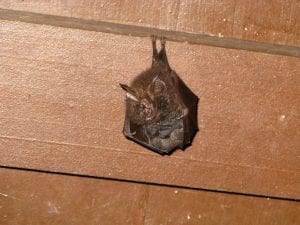
Three Tactics To Help Combat a Bat Problem
While no one likes having to deal with an appearance from an unwanted animal in their home, few are more annoying to deal with than bats. They quite simply look scary, and while the risk of rabies-infected bats biting you on a quest for blood is quite low, the fear persists nonetheless. They are also difficult to catch and trap, as they can simply fly around your house once inside and make it hard for you to get a solid grasp. They are a few potential solutions to a bat problem, though, and if done correctly can keep the winged creatures away.
Bats have a highly sensitive sense of smell, and certain scents can make a space feel hostile enough that they choose to roost elsewhere. Strong aromas like peppermint, eucalyptus, cinnamon, and clove are among the most commonly cited bat deterrents. That said, scent-based methods work best as a short-term measure. Bats are persistent, and once the smell fades, they may return. For a lasting fix, scent deterrents should be used alongside physical exclusion methods like sealing entry points.
What Smell Do Bats Hate the Most?
Peppermint is the scent most often recommended for keeping bats away, with eucalyptus, cinnamon, and clove close behind. All four have strong, sharp odors that make a roost or entry point less comfortable for bats. They work best as a short-term deterrent while you find and seal the gaps bats are using to get inside.
- Peppermint oil. The strongest and most widely used option. Soak cotton balls and set them near entry points, or mix a spray using the recipe below.
- Eucalyptus oil. Another sharp, medicinal scent. It’s often mixed with peppermint in the same spray.
- Cinnamon. Cinnamon oil holds its scent longer than ground cinnamon, which fades quickly and blows away in a drafty attic.
- Clove oil. Milder on its own, so it’s usually paired with cinnamon.
This order reflects how strong each scent is and how often it’s used for bats. There’s little formal research comparing them head to head, so treat it as a starting point. Whichever you choose, plan to reapply every few days. Essential oils evaporate, and once the scent fades, bats have no reason to avoid a roost they already know.
Does Peppermint Oil Repel Bats?
Peppermint oil can discourage bats from using a specific spot, but the effect doesn’t last long. Bats use smell to recognize their roost and each other, and the menthol in peppermint is strong enough to make a gap or resting area unpleasant.
Staying power is the weak point. Cotton balls and sprays lose most of their scent within a few days, and a colony that has spent a season in your attic is motivated to come back. Peppermint is most useful on gaps you haven’t sealed yet, or on a porch ceiling or overhang where bats like to rest at night.
How to Make a Homemade Bat Repellent Spray
A basic spray takes a few minutes to mix.
What You Need
- 1 cup of water
- 10 to 15 drops of peppermint oil, or a mix of peppermint and eucalyptus
- 1 teaspoon of dish soap or witch hazel to help the oil blend with the water
- A clean spray bottle
How to Use It
- Add the water, oil, and dish soap or witch hazel to the bottle.
- Shake well before each use, since the oil separates as it sits.
- Spray around entry points, roof edges, porch ceilings, and other spots where you’ve seen bats or droppings.
- Reapply every two to three days, and after rain on outdoor surfaces.
For a cinnamon version, swap in 10 to 15 drops of cinnamon oil, or split the drops between cinnamon and clove. Test the spray on a small, hidden area first, since some oils can stain painted wood and fabric.
Never spray bats directly. Avoid spraying inside an active roost during the summer, when flightless pups may still be inside.
Are These Scents Safe Around Pets?
Peppermint, eucalyptus, cinnamon, and clove oils are all toxic to cats, and they can irritate a dog’s skin and stomach. Cats lack a liver enzyme needed to break down compounds in many essential oils, so breathing in a strong concentration in a closed space can make them sick.
If you have pets at home:
- Keep cotton balls and spray bottles out of reach
- Use oils in areas pets can’t get to, such as the attic or exterior gaps
- Ventilate the space and keep pets out until the scent fades
- Call your vet or the ASPCA Animal Poison Control Center at (888) 426-4435 if a pet starts drooling, vomiting, or having trouble breathing after exposure
Do Mothballs Keep Bats Away?
No. Mothballs are one of the most common suggestions for bats in the attic, but they don’t drive bats out, and using them this way breaks the law.
Mothballs are pesticides regulated by the EPA, and their labels spell out where and how they can be used. Those labels limit mothballs to protecting clothing and fabric inside tightly sealed containers, and many state outright that the product is not for use against bats. An attic is the opposite of a sealed container. The fumes spread through the space, and with enough mothballs and the right airflow, they can drift into the bedrooms below.
There’s also no good evidence that naphthalene bothers bats enough to make them leave. An attic is too large and too ventilated for the vapor to build up around a colony, so the people living in the house end up with more exposure than the bats do.
The same goes for moth crystals and moth cakes. If mothballs are already in your attic, wear gloves to pick them up, seal them in a plastic bag, and check with your county about household hazardous waste disposal.
Examine Home For Entry Points
Second, examine your home for potential points of entry and seal them to make sure no further bats can enter the premises. You should first make sure that all bats are outside of the home, as you don’t want to trap a scared bat inside.
Sealants are a good quick fix, along with nets for larger holes which would take additional time and resources to solve.
Along with the attic, other points of entry can include chimneys and holes along the foundation of the home, since bats can wriggle into small spaces such as those.
For old homes which don’t use the chimney, consider blocking it off to prevent entry, but the most common places to seal up would be along the attic or roof of the home.
Other Things Bats Don’t Like
Scent is one way to make a space less appealing. Bats look for roosts that are dark, warm, quiet, and sheltered from wind, so changing any of those conditions can help discourage them.
- Light. Bats prefer dark roosts and exits. A light aimed at an entry point or porch ceiling can make the spot less attractive, though bats that are already settled inside will often tolerate it.
- Drafts. Bats favor still air, which is one reason they choose tight gaps and warm attic corners. Better airflow in a porch, shed, or garage can make it less inviting.
- Reflective objects. Hanging strips of foil or mylar near a roost is a common home remedy. Results are mixed, and bats tend to get used to them.
- Ultrasonic devices. These plug-in units claim to drive bats away with high-frequency sound. There’s little evidence that home models work, which makes them hard to recommend.
Everything on this list shares the same limit as scents. None of it closes the opening the bats are using.
When Can Bats Be Removed in Maryland?
Maryland only permits non-lethal exclusion for bat colonies living in a home. Exclusion means sealing every gap except the main entry point, installing a one-way device that lets bats leave but not return, and closing that last opening once the colony is gone.
Timing matters. Maryland DNR guidance says colony exclusion should take place after August 31, once young bats can fly, and before bats settle in for hibernation. Excluding earlier can trap flightless pups inside your walls or attic. Early exclusion is possible with a letter of exception from DNR, and a single bat that ends up in your living space can be removed at any time of year.
That timing is why scents make sense as a stopgap. They can make the summer more tolerable while you plan for exclusion in the fall.
Frequently Asked Questions
Does Cinnamon Repel Bats?
Cinnamon can discourage bats for a short time. Cinnamon oil works better than ground cinnamon, which loses its scent quickly. It needs to be reapplied every few days and won’t remove a colony that has already moved in.
Will Mothballs Get Rid of Bats?
No. Mothballs don’t drive bats out of attics, and using them anywhere outside a sealed container goes against the product label, which is illegal.
How Long Does Peppermint Oil Keep Bats Away?
Usually a few days. The scent fades as the oil evaporates, and it fades faster in a hot attic or outdoors. Plan to reapply every two to three days.
Do Bats Have a Good Sense of Smell?
Yes. Bats are best known for echolocation, but they also use smell to find food and recognize their roost and colony. That sensitivity is why strong scents can make a spot unpleasant for them.
Are Bat Repellent Scents Safe for Cats and Dogs?
Peppermint, eucalyptus, cinnamon, and clove oils are toxic to cats and can irritate dogs. Use them where pets can’t reach, and keep the area ventilated.
Can I Remove Bats From My House Myself?
A single bat in your living space can usually be guided out an open door or window. If you wake up to a bat in the room or find one near a child or pet, call your local health department before letting it go, since it may need to be tested for rabies. Colonies take more work. Maryland only allows non-lethal exclusion, it has to be timed around the maternity season, and one missed gap means the bats come right back.
Call Shumaker for Bat Problems
If you need help dealing with a bat problem on your property, call the professionals at Shumaker Animal Control to deal with the problem for you.
Our experienced team will take care of the problem in a timely manner, ensuring that you, your home and pets are not in any danger.
At Shumaker Animal Control, we are a family-owned business who cares about the safety of you and your family but also about the well-being of the animals themselves.
All of our trapping and control methods are humane, as we never try to hurt the angry or scared animal.
Call us at 443-854-8072 or visit our website at https://shumakeranimalremoval.com/ for more information.


